



What are dental crowns and bridges?
Dental crowns and bridges allow dentists to protect and restore damaged teeth. Typically, when tooth decay is severe enough that it can’t be treated with a filling, a dental crown will be used to cover, or cap, the tooth. Crowns are also commonly used to seal teeth that have been treated with root canal therapy. And occasionally, dental crowns are used for cosmetic purposes or in smile makeovers.
A dental bridge is a type of dental work that replaces a tooth or a few consecutive missing teeth. Two dental crowns are placed on the healthy teeth living on either side of the gap left by your lost tooth. A false tooth, or pontic, is attached to the crowns and literally bridges the gap, replacing your missing tooth.
DID YOU KNOW…

Dental crowns are also referred to as “caps” because they cap the existing tooth structure in order to restore it.
Ready to schedule your appointment?
Call (440) 960-0090 Today!
CEREC Crowns
Combining the best of both worlds, implant retained dentures have the convenience of dentures and the reliability and longevity of dental implants. Let’s explore your options!
No Putty Necessary
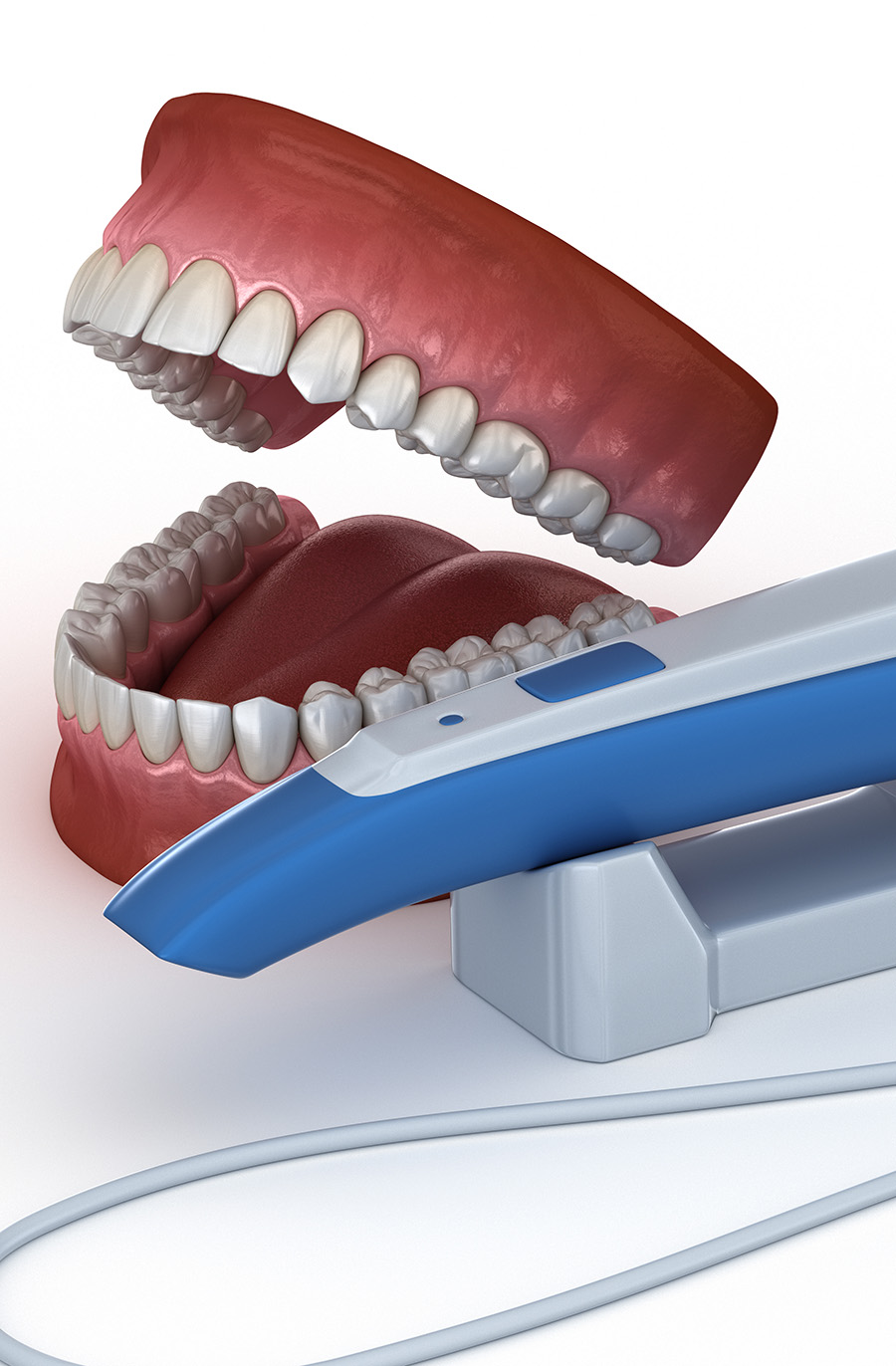
Say goodbye to goopy impressions! Our 3D intraoral scanner allows us to capture images and create impressions of your tooth for a digital, mess-free procedure.
Restore Your Arch
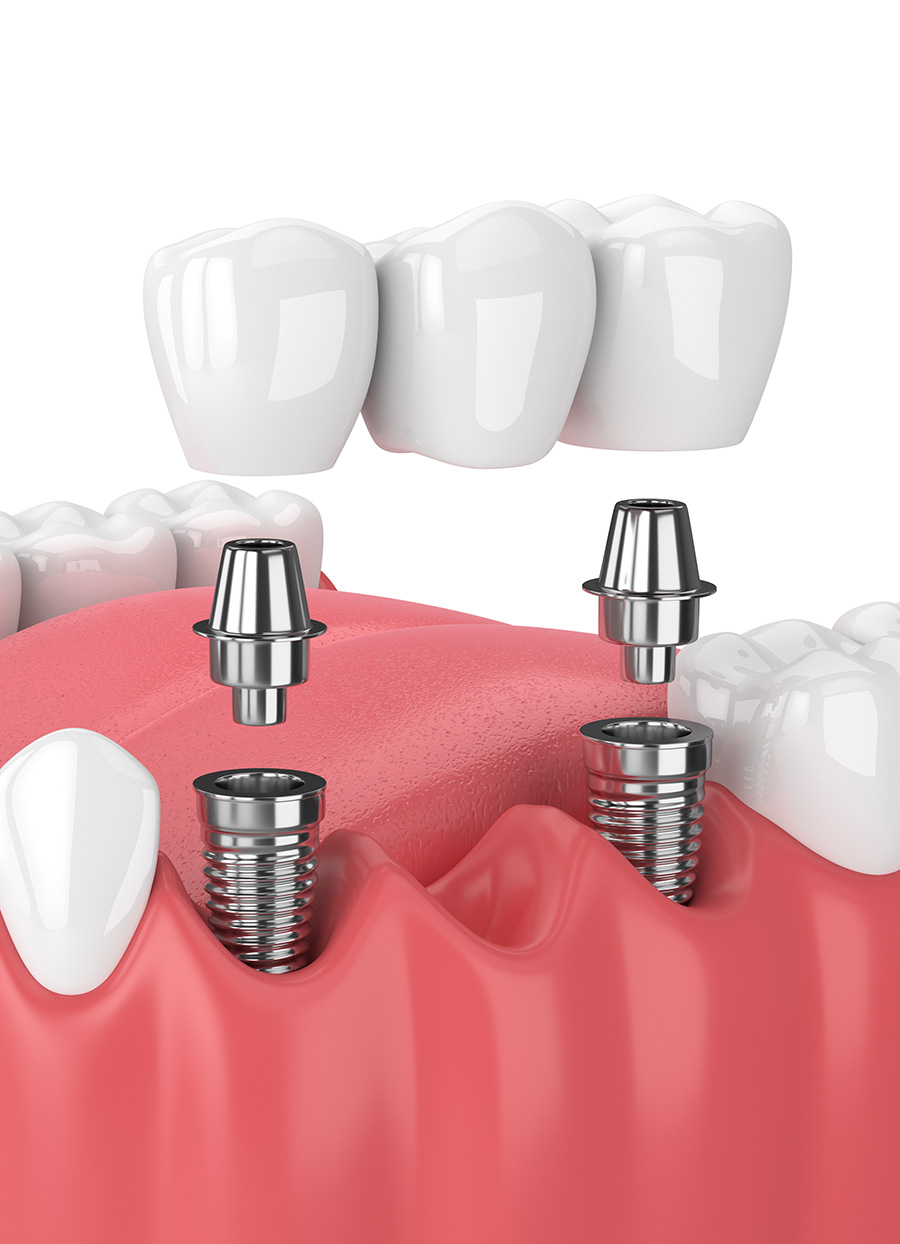
Missing more than just a couple of teeth? There’s no need to wait in pain and discomfort any longer. Implant-retained bridges can replace the entire arch of your grin for a sturdy, seamless smile.
You’ve Got Options
Bridges aren’t the only way to restore your missing teeth. Dental implants are one of the most secure dental replacement options available. They can completely mend the functionality of your bite, improve your overall health, and bring back the smile you’ve been hiding.

Flexible Financing Options
CareCredit
Sunbit
Membership Program Coming Soon!
Your Care, Your Terms
You deserve affordable, accessible care. That’s why we provide a variety of flexible financing options to meet your unique needs. Ready to work out a budgeting plan? Reach out to our team to get the conversation started.
Call (440) 960-0090 to schedule an appointment
The Benefits of Same-Day Crowns
Lab-Made Crowns
Lab-made crowns are manufactured by experienced technicians at dental labs that specialize in building dental prostheses. Your dentist will take impressions, scans, and photos of your teeth, which will be sent directly to the lab.
Using an advanced manufacturing process, your crowns will be built out of durable ceramic and metal materials, and sent back to your dentist for the final fitting and placement. Lab-made crowns look and feel very natural, and are usually the most long-lasting and durable type of crown.
Same-Day Crowns
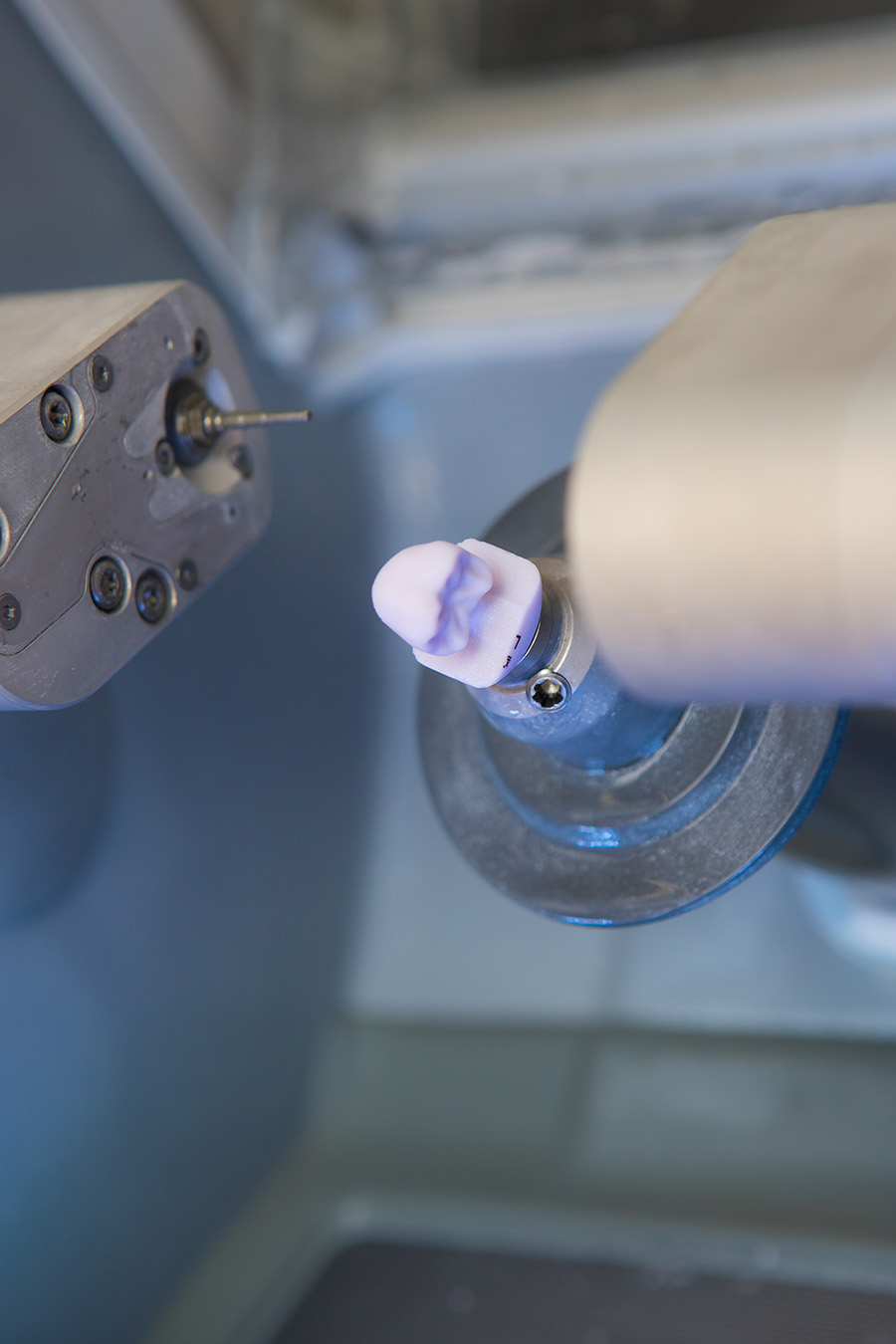
Same-day crowns are made with advanced CAD/CAM (Computer-Aided Design/Manufacturing) technology. In-office milling units are used to craft crowns out of ceramic or porcelain blocks.
First, your dentist will scan your mouth with a handheld digital scanner. The scanner will upload a 3D image of your mouth onto a computer. Your dentist will design your crown using this computerized image, and upload the design to the milling unit. The porcelain or ceramic block is loaded into this machine, and it begins to cut the block into a crown.
In a few minutes, your crown will be complete. Your dentist will check that it fits comfortably and that your bite feels natural. After any necessary adjustments, it will be attached permanently. This entire process usually takes only a single 1-2 hour appointment.
Traditional Bridges
Traditional dental bridges are made out of two crowns, which are attached permanently to “abutment teeth.” These are the healthy teeth located next to one or more missing teeth within your mouth. Between these teeth, a metal framework is used to suspend one or more “pontics” (false teeth). These false teeth literally “bridge” the gap between your missing teeth, restoring your smile.
Cantilever Bridges
Unlike a traditional fixed bridge, which supports your bridge using two abutment teeth, a cantilever bridge uses only a single tooth to support your bridge. In this type of bridge, a single tooth is trimmed next to your missing tooth. Then, a bridge is made that consists of a single crown and an artificial tooth. The crown is attached to your abutment tooth, and then the artificial tooth is suspended in the gap where your missing tooth used to be, restoring your smile.
Cantilever bridges are less invasive than traditional bridges, since only one tooth has to be trimmed, and they are usually less expensive than traditional bridges. However, you must have a healthy mouth to get a cantilever bridge, and they typically can only be used in a few areas of the mouth.
Maryland Bonded Bridges
A Maryland bridge does not require any removal of enamel or preparation of the adjacent teeth. In this treatment, a false tooth is built using a metal framework with “wings” that attach to the adjacent teeth. These “wings” are attached to the backs of your teeth using dental cement, holding the false tooth in place and restoring your smile. Maryland bridges are commonly used in the front teeth, and are ideal if you would like to restore your smile without any invasive dental treatment.
Implant Bridges
Unlike removable bridges, an implant bridge is permanently fixed to dental implants to restore multiple missing teeth. Implant bridges look, feel, and function just like healthy natural teeth, and you never have to worry about them becoming loose or falling out. Removable implant bridges require you to take them out for regular cleanings, while implant bridges can be brushed and flossed just like regular teeth. Plus, implant bridges are a treatment option that is often less expensive than replacing every missing tooth with an implant.
The Same-Day Crown Treatment Process
Preparation of Abutment Teeth
Your dentist will clean and numb your mouth, and then begin to trim away a thin layer of enamel from the two teeth next to your missing tooth. These are known as “abutment teeth” and they will hold your crowns. Your bridge will permanently attach to these crowns.

Impressions
Once your abutment teeth have been prepared, your dentist will use dental putty and trays to take impressions of your teeth. These impressions will be used by a technician at a dental lab to build your dental bridge.
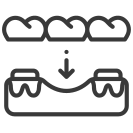
Temporary Bridge
Depending on your needs, your dentist will place a temporary resin bridge to protect your prepared abutment teeth, or two temporary dental crowns. Either way, your prepared teeth will be covered and protected until your permanent bridge can be placed.

Bridge Check & Adjustment
Once your permanent bridge is ready, usually within a few weeks, you’ll come into the office to have the bridge checked for proper fit. Minor adjustments may be made by your dentist, if necessary, to ensure that your bridge looks and feels natural. If the bridge requires larger adjustments, it will be sent back to the lab for further refinement.

Permanent Placement
Once you and your dentist have determined that the fit of your bridge feels right, they will use powerful dental cement to attach it permanently to your abutment teeth, restoring your smile and your bite.