Can Root Canal Therapy Help With Chronic Sinus Issues?
Chronic sinus issues can be a frustrating and debilitating problem for many individuals. While treatments often focus on medication and lifestyle changes, there’s an interesting connection between dental health and sinus problems that may not be widely recognized.
Specifically, Root canal therapy may alleviate chronic sinusitis for some patients. In this blog, we’ll explore the relationship between root canals and sinus issues, how the procedure works, and what patients can expect.
What Are Chronic Sinus Issues?
Chronic sinusitis, or chronic rhinosinusitis, is a prolonged inflammation of the sinus cavities, lasting 12 weeks or longer. It can lead to various symptoms, including:
- Facial pain or pressure.
- Nasal congestion.
- Postnasal drip.
- Headaches.
- Low sense of smell.
- Cough.
Common Reasons Why Chronic Sinusitis Happens
Several factors can contribute to chronic sinus issues, including:
- Allergies: Environmental allergens can trigger sinus inflammation.
- Infections: Viral, bacterial, or fungal infections may cause or exacerbate sinusitis.
- Structural issues: Nasal polyps or a deviated septum can obstruct sinus drainage.
- Dental problems: Infections or issues in the upper teeth can lead to sinus problems.
Are Sinus Issues Linked To Your Dental Health?
How Dental Problems Can Affect the Sinuses
Infections in the upper teeth, particularly the molars and premolars, can impact the sinus cavities due to their close proximity. When bacteria from a tooth infection invade the surrounding tissues, they can also reach the maxillary sinuses, causing inflammation and discomfort.
Role of The Maxillary Sinus
The maxillary sinuses are located near the roots of the upper molars. When these teeth become infected or abscessed, the inflammation can lead to sinus pressure, nasal congestion, and other sinus-related symptoms. In such cases, addressing the dental issue may alleviate sinus problems.
The Root Canal Therapy
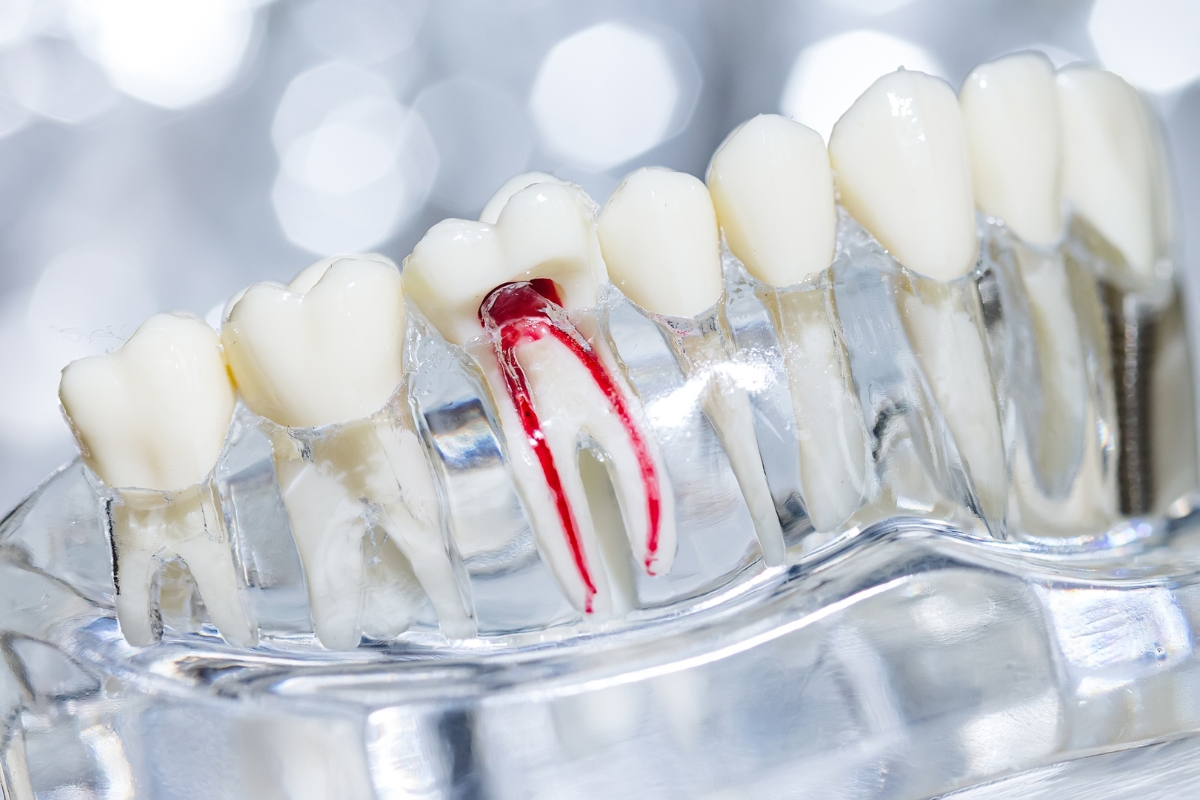
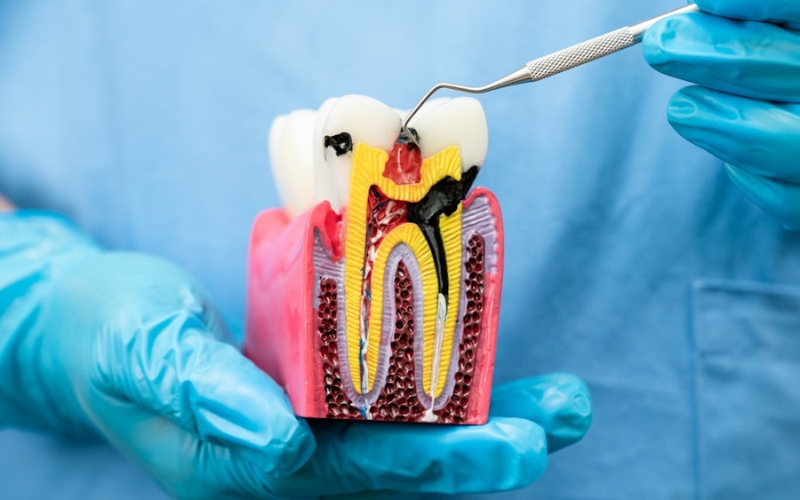
Root canal therapy is a dental procedure designed to treat infected or damaged tooth pulp, the innermost layer of the tooth that contains nerves and blood vessels. The process typically involves:
- Diagnosis: The dentist examines the tooth and surrounding tissues, often using X-rays to assess the extent of the infection.
- Anesthesia: Local anesthesia is administered to ensure comfort during the procedure.
- Accessing the Pulp: The dentist creates an opening in the crown of the tooth to access the pulp chamber.
- Cleaning and Shaping: The infected pulp is removed, and the root canals are cleaned, shaped, and disinfected.
- Filling the Canals: The empty canals are filled with a biocompatible material, usually gutta-percha, to seal them off from further infection.
- Restoration: A crown or filling is placed on the tooth to restore its function and appearance.
How Can It Benefit You?
- Pain Relief: The procedure alleviates pain associated with tooth infections.
- Preservation of Natural Teeth: Root canal therapy allows patients to keep their natural teeth, preventing the need for extraction.
- Prevention of Further Infections: Cleaning and sealing the root canals reduces the risk of future infections.
How Root Canal Therapy Helps Chronic Sinus Issues
Addressing The Source of Infection
If the chronic sinus issues stem from an infected tooth, performing a root canal can directly target the source of the problem. By removing the infected pulp and sealing the tooth, the therapy can help reduce inflammation in the maxillary sinuses and alleviate sinus symptoms.
Case Studies and Research
Several case studies suggest a significant improvement in sinus symptoms after root canal therapy:
- Symptom Resolution: Patients with chronic sinusitis linked to dental infections reported a reduction in nasal congestion and facial pain after undergoing root canal treatment.
- Better Quality of Life: Many patients experienced a better quality of life, with fewer sinus infections and improved respiratory health post-treatment.
What Should You Expect After A Root Canal Treatment?
Monitoring Sinus Symptoms
After treatment, patients should monitor their sinus symptoms. If sinus issues persist despite undergoing root canal therapy, it may be necessary to explore other underlying causes or seek further medical evaluation.
Consult with Dental and Medical Professionals
If you have chronic sinus issues and suspect a dental problem may be the cause, consult both a dentist and a medical professional. This collaborative approach can help determine the best course of action for managing your symptoms.
A Comprehensive Approach To Sinus Health
Chronic sinus issues can significantly impact one’s quality of life, and it’s crucial to address the underlying causes effectively. For some individuals, root canal therapy may offer a solution, mainly when dental infections contribute to sinus problems. By removing the source of infection and alleviating inflammation, root canals can improve both dental and sinus health.
If you suspect your chronic sinus issues are related to dental problems, consult our dentist. Early intervention can improve outcomes and restore your quality of life, allowing you to breathe easier and enjoy a healthier smile. Don’t let sinus issues linger; seek help today for a comprehensive approach to your health.