What Is The Normal Recovery Time For Dental Implants?
When you decide to get dental implants, you’re investing in a solution that can restore your smile and confidence.
But how long does it take to get back to your normal routine after the procedure?
Understanding the recovery timeline is crucial for ensuring you get the best results and a smooth healing process. Let’s dive into what you can expect after your dental implant surgery.
From the initial healing phase to the final placement of your new teeth, knowing the stages of recovery helps you plan and prepare. Whether you’re eager to show off your new smile or just curious about the process, this guide will walk you through each step of the recovery journey.
You’ll learn about the typical healing times, what to watch out for, and how to care for your implants effectively.
Ready to get started on your path to a healthier, more confident smile? Let’s explore the details of dental implant recovery together.
Initial Healing After Dental Implant Surgery
The initial recovery period after dental implant surgery is crucial for setting the stage for successful healing. Expect some common symptoms during this phase, which can include:
- Swelling and Discomfort: It’s normal to experience some swelling and discomfort around the implant site. This typically peaks within the first 48 hours and gradually subsides.
- Bruising: Mild bruising in the surrounding areas can occur but should diminish over time.
- Bleeding: Light bleeding is common immediately after the procedure but should taper off quickly.
The initial healing phase usually lasts about 1-2 weeks. During this time, it’s essential to follow your dentist’s instructions to manage pain and reduce swelling. Rest and keeping your head elevated can help speed up the healing process.
Osseointegration: Building a Strong Foundation
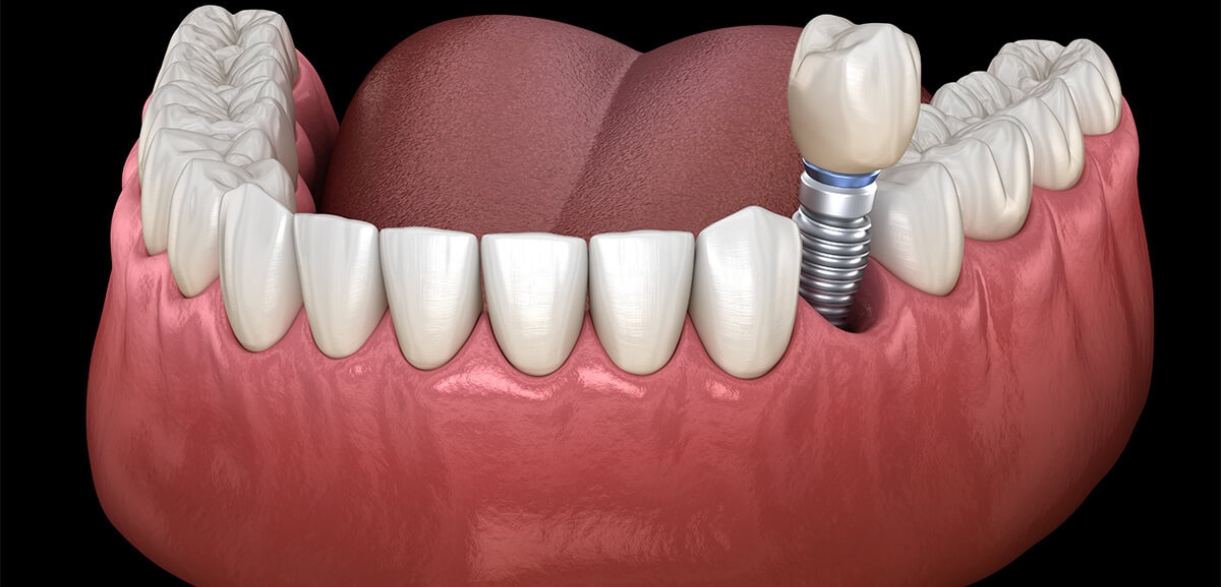
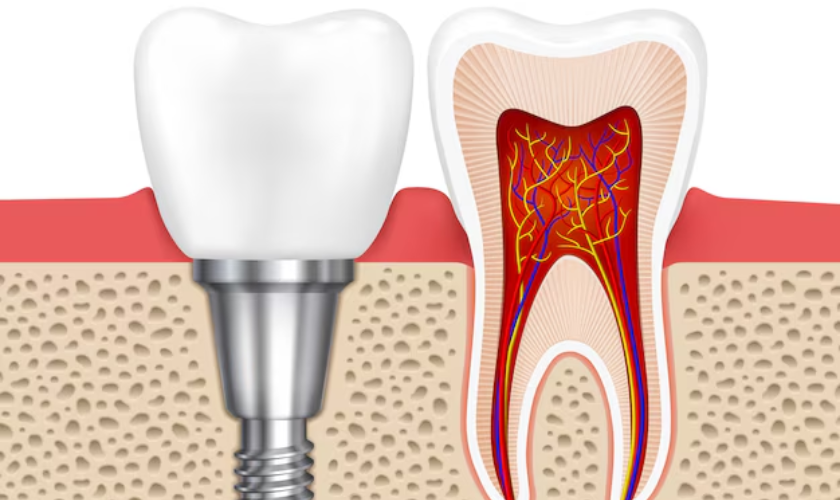
Osseointegration is the process where the dental implant fuses with the surrounding bone, creating a stable foundation for the final restoration. Here’s what you need to know:
What is Osseointegration?
It’s the crucial bonding of the implant with the jawbone. This integration ensures that the implant becomes a permanent part of your mouth.
- Duration: Typically, this process takes 3-6 months, depending on the individual’s bone quality and healing capacity.
- Success Factors: Good bone density, adherence to oral hygiene, and overall health significantly influence the success of osseointegration.
Proper osseointegration is vital for the long-term success of your dental implants, ensuring they function like natural teeth.
Completing Your Smile: Final Restoration Process
Once the implant has integrated with the bone, the next step is to attach the crown or restoration. This phase involves:
- Crown Attachment: Your dentist will take impressions and create a custom crown that matches your natural teeth in size, shape, and color.
- Timeline: This process generally begins after the initial healing phase, around 3-6 months post-surgery.
- Fit and Function: The final restoration phase ensures that the crown fits well and aligns properly with your bite. Adjustments may be made to perfect the fit.
This final step restores both function and aesthetics, completing your smile transformation.
Essential Care and Maintenance for Implants
Proper care and maintenance are crucial for ensuring the long-term success of your dental implants. Here’s how to keep your implants in top shape:
- Oral Hygiene: Brush and floss regularly to prevent plaque buildup around the implant.
- Follow-Up Visits: Attend all scheduled dental check-ups to monitor the implant and overall oral health.
- Pain Management: Over-the-counter pain relievers and a soft diet can help manage any residual discomfort.
By maintaining good oral hygiene and following your dentist’s advice, you can ensure a smooth recovery and long-lasting results.
Managing Potential Issues: What to Watch For?
While dental implants are generally safe, some complications can extend the recovery period. Watch for these signs:
- Infection: Redness, swelling, or discharge could indicate an infection. Seek prompt dental care if you notice these symptoms.
- Implant Failure: If the implant feels loose or painful beyond the normal healing period, contact your dentist immediately.
- Risk Reduction: Avoid smoking and follow all care instructions to minimize complications and support a smooth recovery.
Timely intervention can prevent minor issues from becoming major problems.
How Personal Factors Influence Recovery Time?
Several individual factors can affect the recovery timeline for dental implants:
- Overall Health: Good general health supports faster healing. Conditions like diabetes may slow the process.
- Bone Quality: Adequate bone density is crucial for successful osseointegration. Poor bone quality may require additional procedures.
- Lifestyle Choices: Smoking and poor oral hygiene can delay healing. Adopting healthy habits promotes quicker recovery.
Your dental implant recovery journey is an exciting step towards a renewed smile. While the process involves several phases, understanding each stage helps you stay informed and prepared. With proper care, you’ll navigate through initial healing, osseointegration, and final restoration smoothly. Remember, patience is key, and adhering to post-procedure guidelines will ensure your implants function beautifully for years to come. Ready to embrace your new smile? Follow these tips, and you’ll be grinning confidently in no time.