What Symptoms Indicate That You Need A Root Canal Treatment?
A root canal treatment is a dental procedure designed to save a tooth infected or severely damaged. While many people associate the term ‘root canal’ with pain, the reality is that this treatment is often the solution to relieve discomfort and preserve the natural tooth.
But how do you know if you need one? In this blog, we’ll walk you through the key symptoms that could indicate it’s time to see your dentist for this treatment.
Root Canal Treatment: Overview
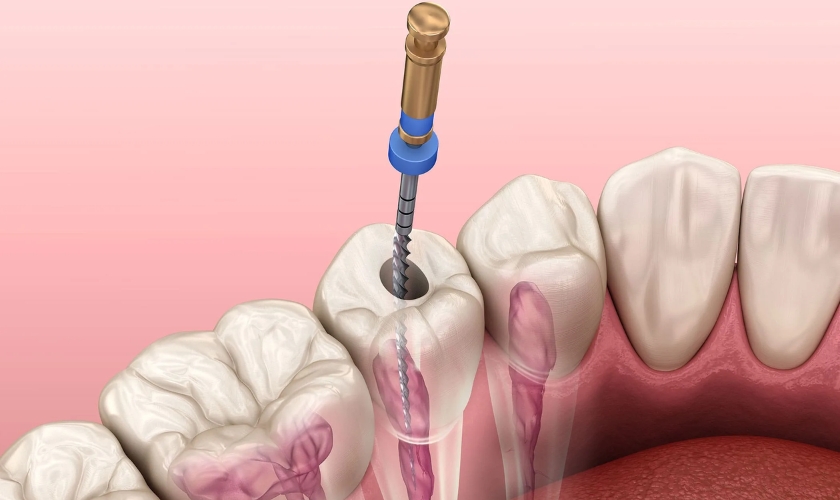
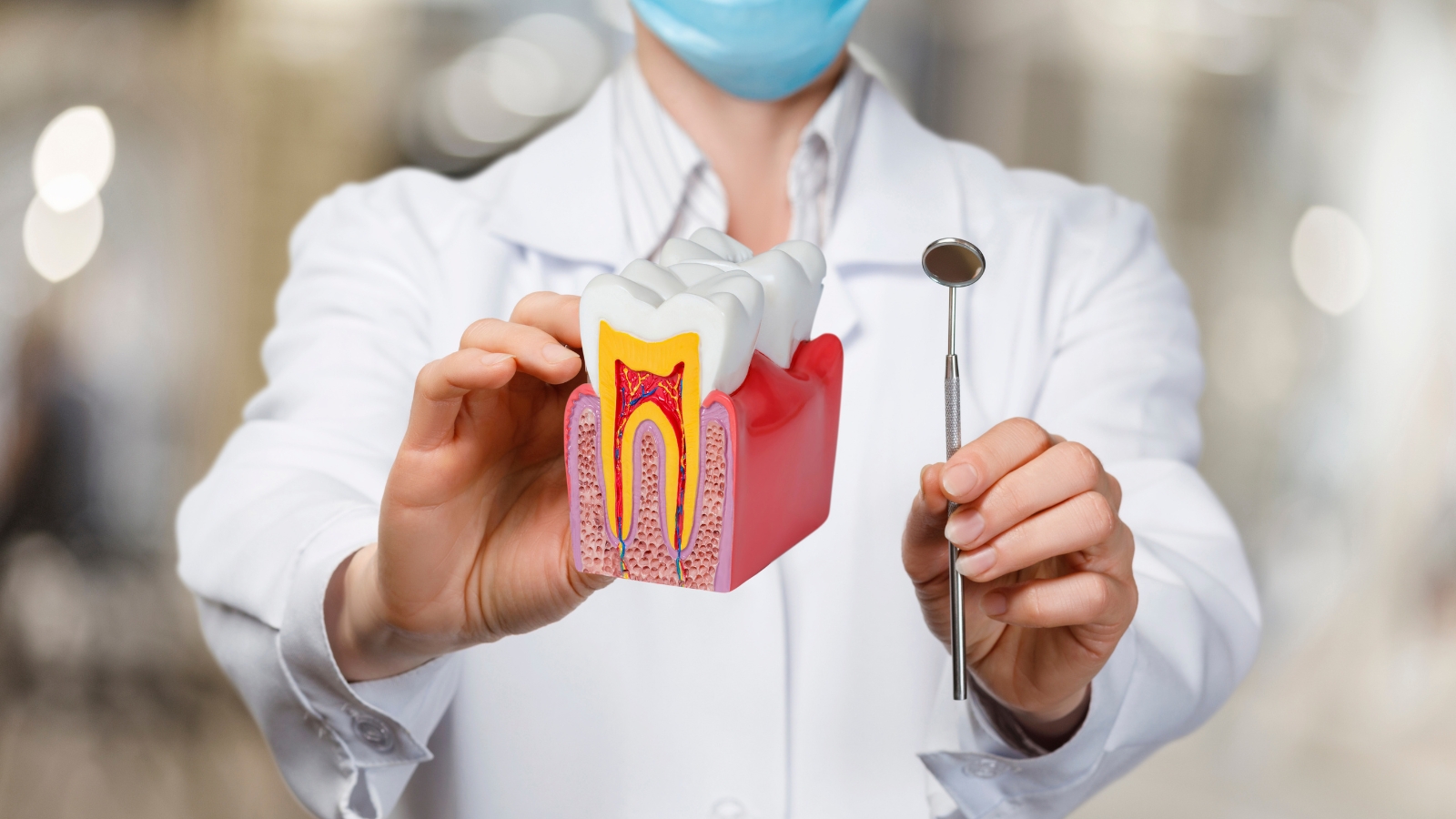
A root canal treatment is performed when the soft tissue inside the tooth, known as the pulp, becomes inflamed, infected, or damaged. This pulp contains nerves, blood vessels, and connective tissue, which are vital to the tooth’s development.
However, once the tooth fully matures, it can survive without the pulp by receiving nourishment from the surrounding tissues.
During a root canal, the dentist removes the infected or damaged pulp, cleans and disinfects the inside of the tooth, and then fills and seals it. In many cases, a crown is placed on top of the tooth to protect it and restore its function.
Common Symptoms Indicate The Need for a Root Canal
Here are some of the most common signs that you may need a root canal treatment:
1. Constant Tooth Pain
One of the clearest indicators that you may need a root canal is ongoing tooth pain. The pain may be constant or intermittent, and it can range from mild discomfort to sharp, severe pain. While not all toothaches mean you need a root canal, persistent or recurring pain should always be evaluated by a dentist.
Common types of pain include:
- Throbbing or aching pain that doesn’t go away
- Pain when biting down or chewing
- Pain that wakes you up at night
2. Sensitivity To Hot or Cold
Increased sensitivity to hot or cold foods or drinks is another symptom that can indicate the need for a root canal. If you feel sharp pain or lingering discomfort when you consume something hot or cold, it could mean that the pulp inside your tooth is damaged or infected.
This sensitivity may:
- Persist long after exposure to hot or cold substances
- Worsen over time, even with mild stimuli
- Occur even without any obvious cause
3. Gum Swelling or Tenderness
Swollen, tender, or painful gums near the affected tooth may also signal the need for a root canal. Gum swelling can be localized to the area surrounding the infected tooth, and it may be accompanied by a raised bump or pimple on the gums called a dental abscess.
Common signs include:
- Swelling or tenderness that lasts for an extended period
- Pimple-like abscesses on the gums that may ooze pus
- Redness or irritation in the gums surrounding the tooth
4. Discoloration of The Tooth
Tooth discoloration is another sign that something is wrong inside the tooth. When the pulp inside the tooth dies, the tooth can take on a grayish or dark hue. This discoloration occurs because the internal tissue is decaying, and a root canal may be necessary to prevent further damage.
Some factors related to tooth discoloration include:
- A darkened or gray appearance that is isolated to one tooth
- Discoloration following trauma to the tooth (such as a fall or impact)
5. Extended Tooth Sensitivity
If your tooth continues to be sensitive long after a dental procedure, such as a filling or crown placement, this could be a sign that the tooth’s nerve is damaged. If you experience sensitivity that lasts for weeks or months after dental work, it’s essential to consult your dentist to determine if a root canal is necessary.
- Sensitivity after dental work that lingers for more than a few weeks
- Increased pain or discomfort when eating or drinking
6. Chipped or Cracked Tooth
A cracked or chipped tooth can expose the inner pulp to bacteria, leading to infection. Even if the tooth doesn’t hurt right away, bacteria can enter through the crack or chip and cause inflammation over time.
If your tooth has been damaged, it’s important to have it evaluated to prevent further issues that could lead to needing a root canal.
Symptoms related to a cracked or chipped tooth include:
- Pain when biting or applying pressure
- Sensitivity to temperature changes after the injury
- A visible crack or chip in the tooth structure
7. Deep Decay
Deep decay that has reached the tooth’s inner layers often requires root canal treatment. If decay is left untreated for too long, it can spread to the pulp, causing infection. Regular dental check-ups and early treatment can often prevent the need for a root canal, but once decay has reached the pulp, extraction or a root canal may be the only options.
Signs of deep decay include:
- Large cavities that cause noticeable pain
- Decay spreading to neighboring teeth
- Pus or abscess around the affected tooth
Why a Root Canal May Be Necessary?
Root canals are often needed when the pulp of the tooth becomes infected or damaged. The pulp can become infected for several reasons:
- Untreated cavities that allow bacteria to reach the pulp
- Repeated dental procedures on the same tooth
- Cracks, chips, or other trauma to the tooth that exposes the pulp
- Deep decay that penetrates the tooth’s inner layers
If left untreated, the infection can spread beyond the tooth to the surrounding gums and jawbone, potentially leading to abscesses and severe pain. In worst-case scenarios, untreated infections can result in tooth loss.
What Happens During The Root Canal Procedure?
Here’s what you can expect during a root canal treatment:
- Examination: Your dentist will first take X-rays to assess the extent of the infection.
- Anesthesia: Local anesthesia is used to numb the area around the affected tooth to ensure the procedure is painless.
- Cleaning the Tooth: The dentist will create an opening in the tooth and remove the infected pulp. The inside of the tooth is cleaned and disinfected.
- Filling the Tooth: After cleaning, the dentist fills the root canals with a biocompatible material to seal the space and prevent future infections.
- Final Restoration: The tooth is sealed with a filling, and in many cases, a crown is placed to protect the tooth and restore its function.
Recognizing the symptoms of an infected or damaged tooth early can help save your tooth from extraction. Persistent pain, sensitivity, gum swelling, and tooth discoloration are common signs that a root canal treatment may be necessary.
Root canals are highly effective in eliminating infection and preserving your natural tooth, helping you avoid further complications. If you’re experiencing any of these symptoms, it’s crucial to visit your dentist for an evaluation. Early treatment can save your tooth and restore your oral health, ensuring you avoid more extensive procedures in the future.